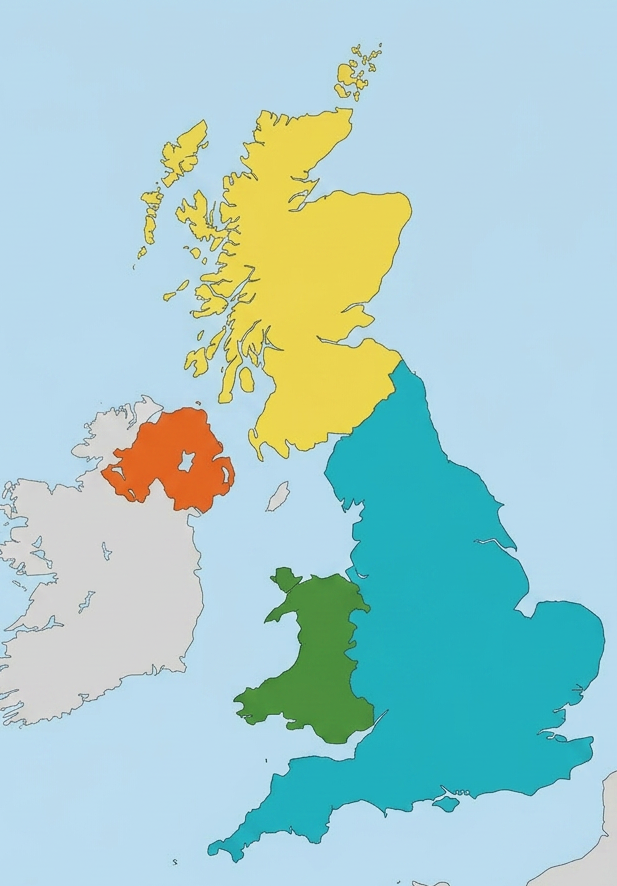
The 2026 elections have fundamentally altered the constitutional landscape, but for those of us in Scotland, the immediate path to independence feels more like a long game than a sprint. While the SNP and Greens have secured a historic pro-independence majority at Holyrood, the lack of an outright SNP majority provides Keir Starmer with the political cover to maintain Westminster’s standard rejection of a Section 30 order. John Swinney has already hinted at a more cautious approach, recognising that without the 65 seats he claimed would be an undeniable mandate, a second referendum will not happen during this parliamentary term.
The focus now shifts south to Wales, where Plaid Cymru has finally broken the century-long Labour hegemony to become the largest party in the Senedd. Rhun ap Iorwerth is currently in a position almost identical to Alex Salmond in 2007: leading a minority government that must prove it can manage public services better than the ‘Labour behemoth’ it replaced. By ruling out an independence referendum in this first term, Plaid is explicitly choosing to build the governing credibility necessary to win an outright majority in 2030. The SNP’s own hopes of delivering independence may now be inextricably pinned on Plaid’s success; if the Welsh nationalists can prove that separatist government equals better government, the unionist argument collapses.
This period of consolidation is vital because of the tectonic shifts occurring at the UK level. The 2026 local elections saw a Reform UK landslide in the industrial north, and projections suggest that if these results were replicated in a general election, Nigel Farage would likely be Prime Minister. Farage and Reform represent a brand of English national identity that is increasingly nostalgic and distinct from the devolved identities of the Celtic nations. He may seek a single term to prove he can deregulate and ‘improve’ the UK for his core base, but his rise unifies those in the devolved nations who are repelled by his vision for the country.
The real opportunity arrives with the 2031 elections. If we reach that point with Sinn Féin established in Northern Ireland, a reinforced pro-independence majority in Scotland, and Plaid Cymru finally securing an outright majority in Wales, the three nations will be able to move together as a formidable bloc. Facing a Farage-led government that is fundamentally focused on an English-first agenda, this alliance could use its collective weight to force referendums across these islands. By that time, the ‘let them go’ sentiment in England will likely have peaked as the friction of maintaining an unwanted union becomes more trouble than it is worth for an English nationalist leadership.
To ensure readiness for that moment, the SNP must abandon the ‘both votes SNP’ strategy that has had its time but is now actively damaging the independence movement’s numbers. In 2026, the party dominated the constituencies but was entitled to almost no regional ‘top-up’ seats, which instead went to opposition parties. A more strategic approach that encourages voters to maximise the pro-independence list presence would bolster the pro-independence bloc, ensuring that if/when the 2031 showdown with Westminster arrives, the mandate is impossible to ignore.

Leave a Reply